
Carly Harvey Unleashes Bold Afro-Indigenous Blues
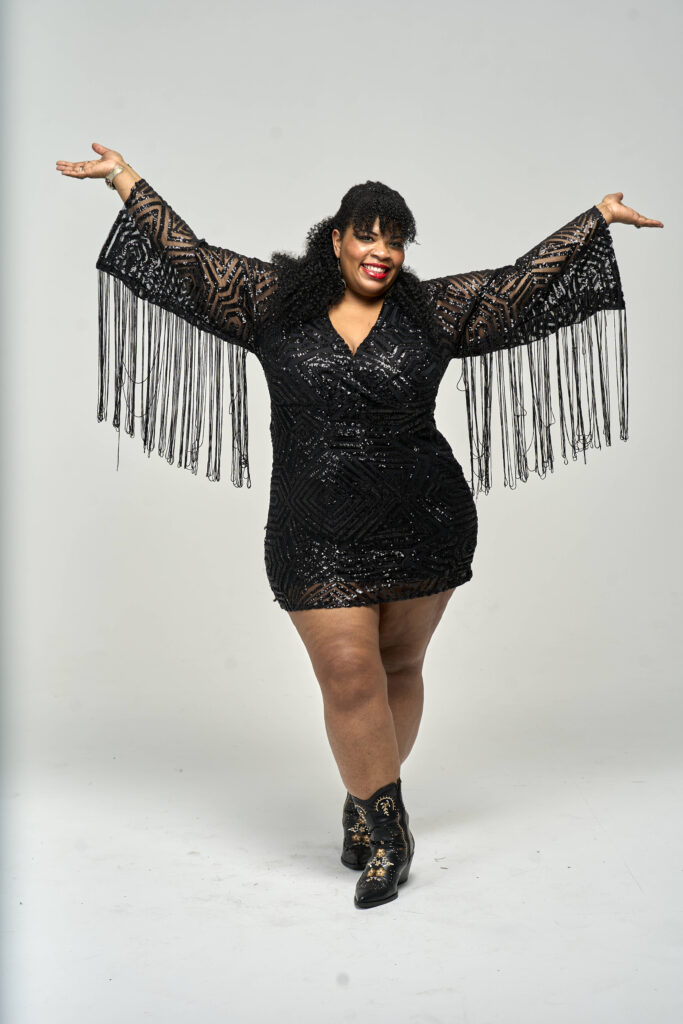
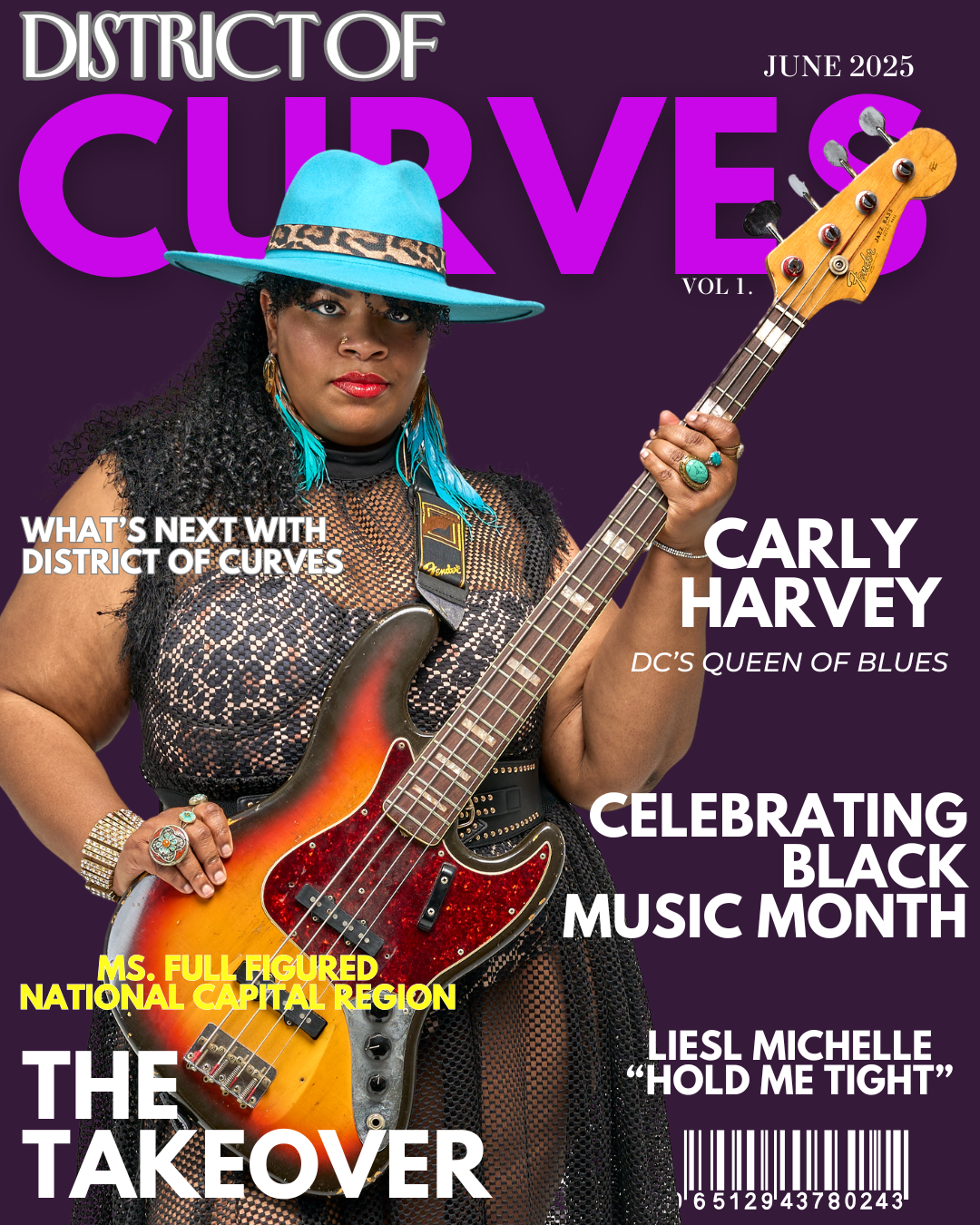
District of Curves is honored to feature Carly Harvey as our Black Music Month cover model and artist spotlight. Known as “DC’s Queen of the Blues,” Carly fuses soul, jazz, funk, and her Afro-Indigenous roots into a sound that is both groundbreaking and healing. In this exclusive Q&A, Carly shares her journey, influences, and vision for the future of blues.
Musical Roots & Identity
Q: Tell us about your earliest memory of music. What was playing in your household growing up?
A: Both of my parents were musicians, so I had a variety of music playing in my home. My dad was a funk bassist, but had the most eclectic taste. So we listened to everything from Tower of Power to gospel and jazz.
Q: How has your Afro-Indigenous heritage shaped your identity and sound as an artist?
A: I think when you’re growing up listening to and surrounded by Native music and also Blues, Jazz, and Gospel, and you understand it to be your ancestral music, it has an inherent influence on you. The more I embrace my heritage, the more authentic my music becomes. I suddenly understood that was the only way I would thrive as an artist.
Q: What does it mean to you to represent both Black and Indigenous cultures through your music?
A: It’s powerful. It means I get to be a vessel for traditions that have historically been underrepresented—and I get to modernize them in a way that keeps the soul intact.
Sound & Style
Q: How did you first fall in love with the blues, and what keeps you connected to it?
A: I grew up hearing Blues in the home through my mom and her love for it, but I was sort of turned off by the performative styles of Blues I was hearing more of. But once I discovered Susan Tedeschi in college, I rediscovered my love for the genre.
Q: You’re known for blending blues, jazz, soul, and even Indigenous music. How would you describe your sound?
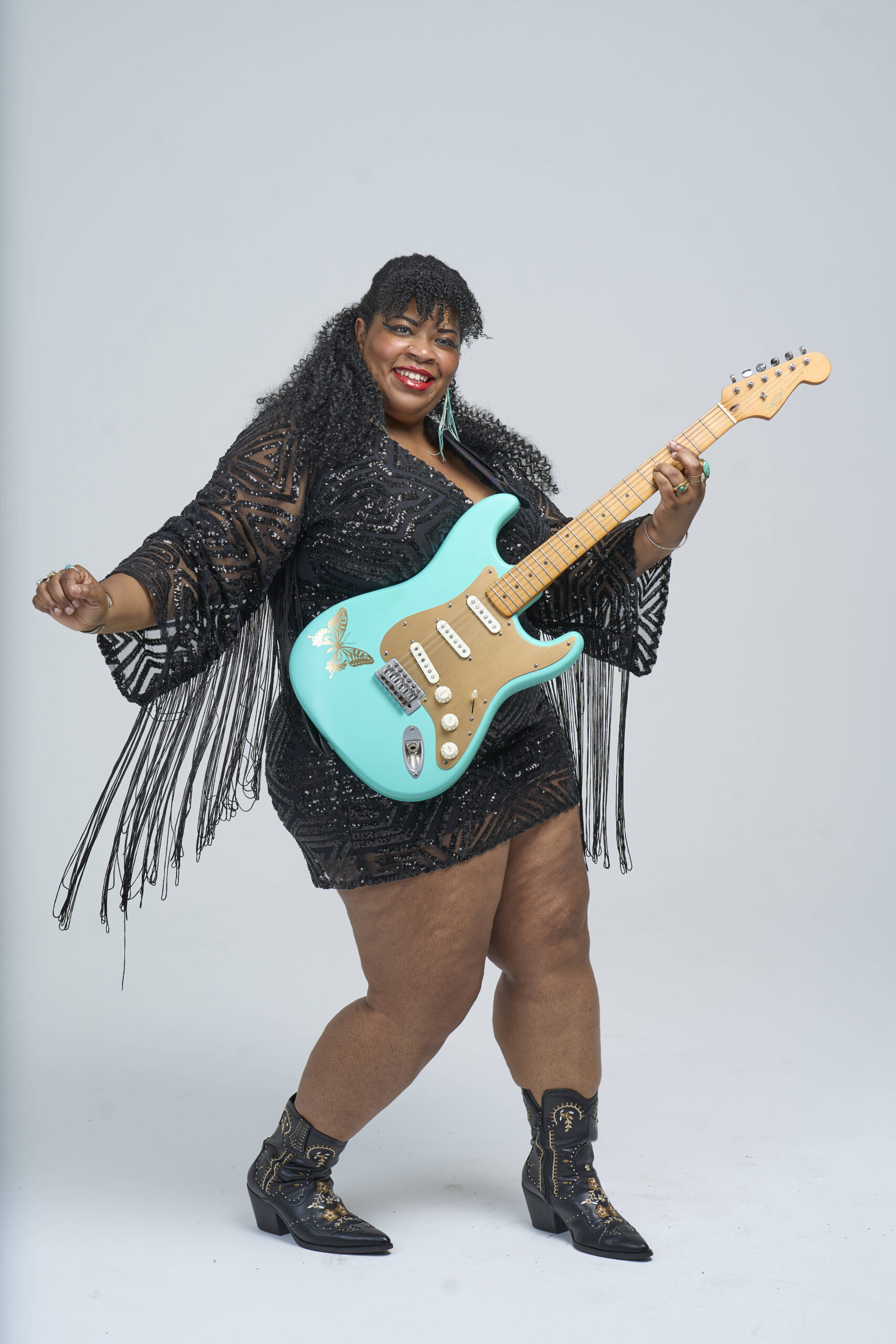
A: I was given the title “D.C.’s Queen of the Blues,” but when you listen to my sound, you also hear jazz improvisation, scatting, and Native vocables. It’s a beautiful blend. It’s distinctly me.
Q: What’s one song in your catalog that you feel best represents who you are today—and why?
A: The song “Worth Waiting For” off of my album Kamama best represents who I am today because it infuses funk and blues and incorporates some Native vocables. It’s instantly recognizable as my signature sound.
 Innovation & Expression
Q: You’ve introduced the world to “Native Scat.” Can you break down what that is and how it came to be?
A: Native Scat is a unique vocal fusion of Native vocables and traditional jazz scat. In jazz, you improvise to become one with an instrument. With Native Scat, I apply that to the voice while honoring my cultural sounds and syllables.
Q: How do you balance tradition and innovation when creating music?
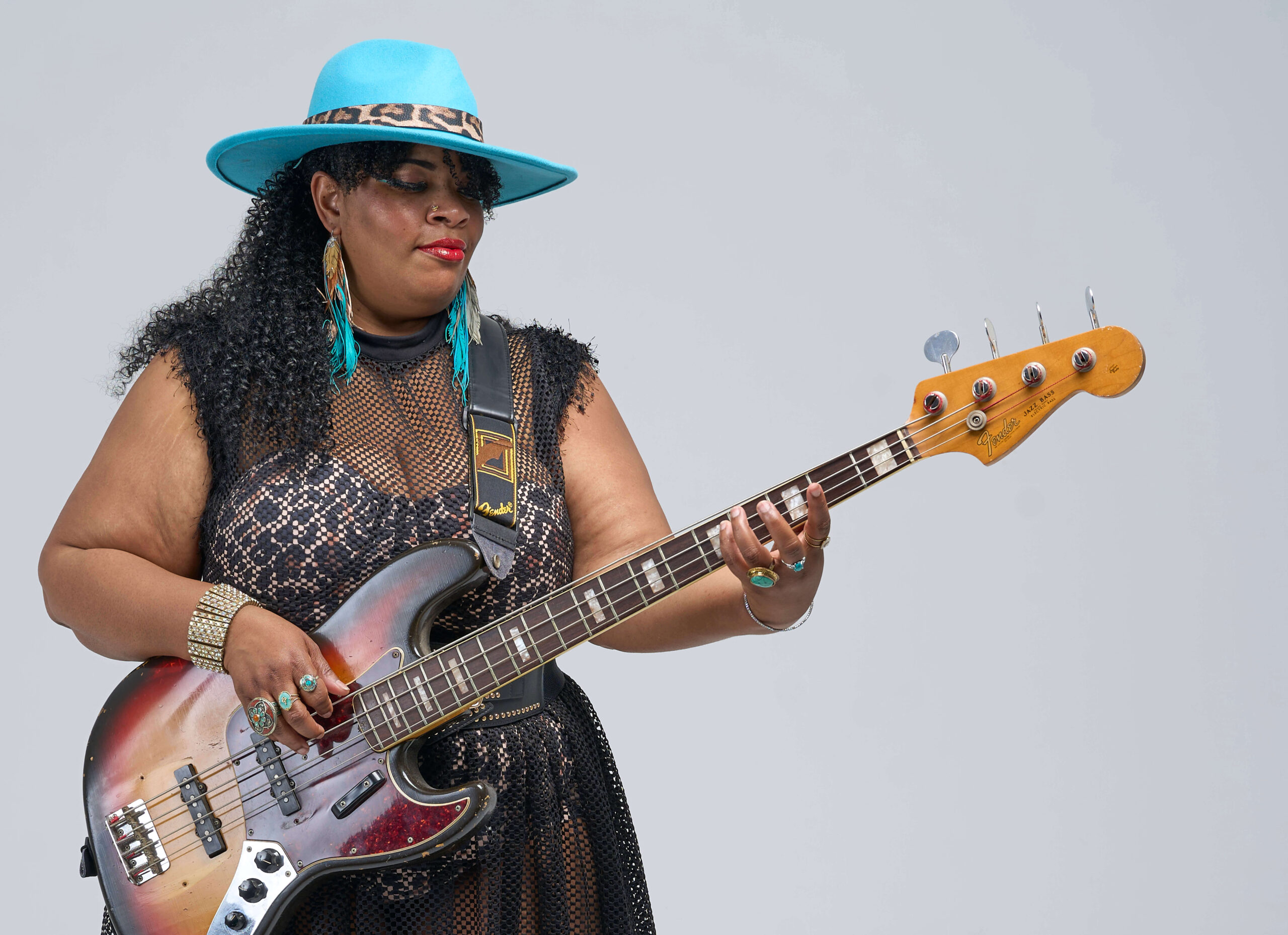
A: When you know the root of something, you can naturally evolve and innovate from it. That’s what I do with blues—I fuse it with other things while respecting its tradition.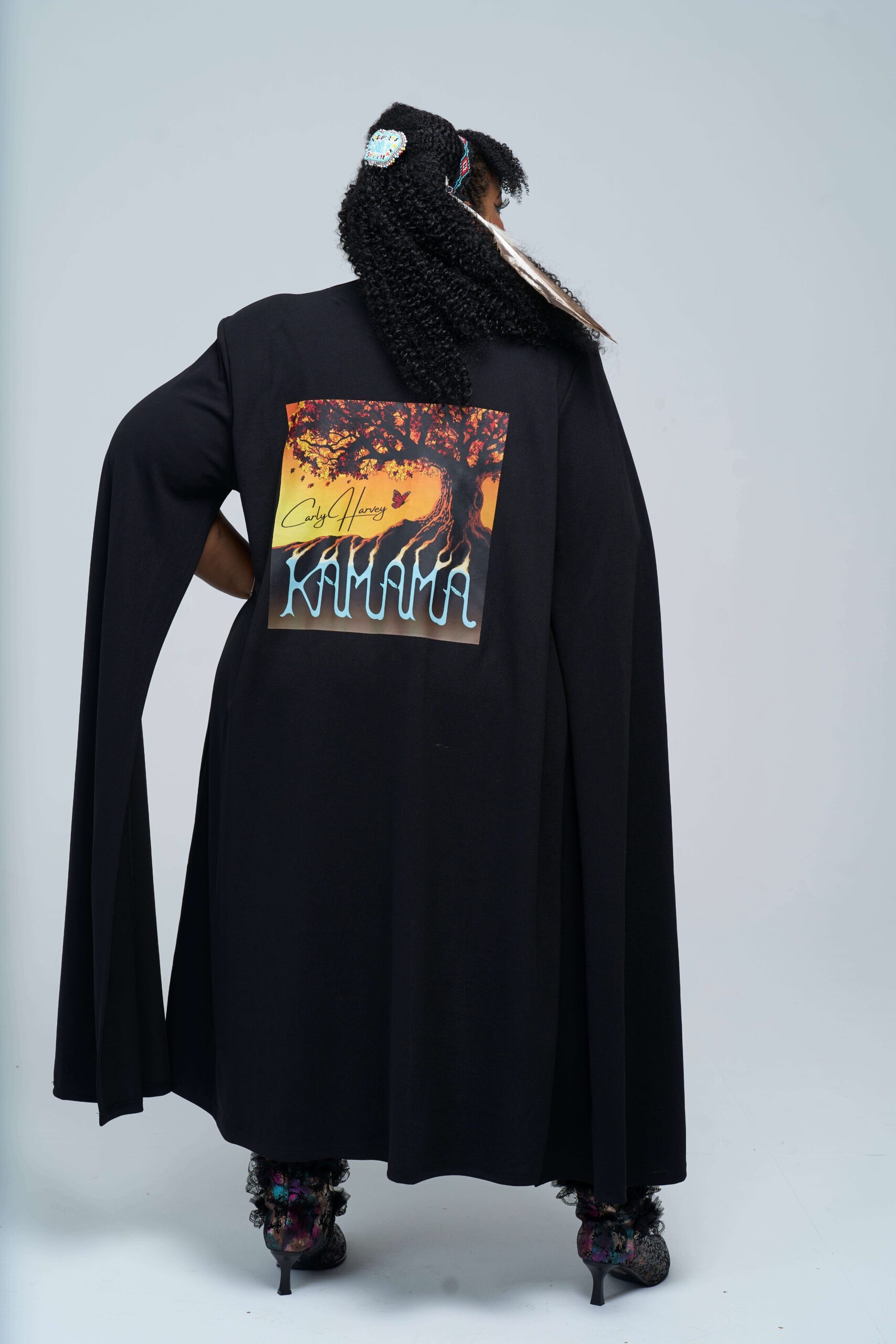
Storytelling & Message
Q: Many of your songs touch on powerful themes like self-worth, cultural pride, and healing. What do you hope listeners take away from your music?
A: My hope is that in a world where we need connection to community and healing, my music can provide that good medicine. I hope it inspires activism—even if it’s for your own autonomy and self-worth.
Q: How has your personal journey—both struggles and successes—influenced your songwriting?
A: This industry isn’t for the faint of heart. Over time, I realized I’m not meant to be part of the machine that pops out artists for temporary money grabs. I want to make meaningful music with longevity and purpose.
Career Highlights
Q: What’s been one of the most affirming moments of your career so far?
A: Performing at the Big Blues Bender—a major blues festival—was huge. Being booked alongside top-tier artists made me feel truly seen.
Q: Can you share a behind-the-scenes moment that has stayed with you?
A: In 2017, I got to meet Susan Tedeschi. She was one of the first modern blues artists I really connected with. That moment was full circle for me.
 Teaching & Influence
Q: What made you want to educate others about the roots of blues and Indigenous music?
A: I became passionate about teaching others because I had lived the intersection of Indigenous and blues music—but didn’t see it represented. I want others to know those roots exist and matter.
Q: What advice would you give to young women of color who want to pursue music?
A: Hone your craft. Practice daily. And most importantly, discover who you are and how you want to show up in the world. Stay true to that, no matter what.
Looking Forward
Q: What are you working on right now that you’re excited about?
A: I just released an album last August, and I’m currently writing new music. I’m really excited about what’s coming. It’s GOOD!
Q: Where do you see your artistry heading in the next few years?
A: I see more international touring, more teaching, and more growth as an artist. I live in the moment, but I’m always evolving.
Black Music Month Reflection
Q: What does Black Music Month mean to you?
A: It’s a powerful time to acknowledge Black culture and its contributions. Too often our work gets erased. This month makes space for our voices to be centered and celebrated.
Q: How do you hope your music contributes to the legacy of Black music in America?
A: Blues has become dominated by non-Black artists and audiences. I’m living proof that untouched and uninfluenced, blues still exists in Black bodies—and we are still carrying the torch.
📲 Follow Carly Harvey
Website: carlyharvey.com
Instagram: @carlyharveymusic
Email: carlyharveymusic@gmail.com
This Q&A is part of the District of Curves Black Music Month series, honoring Black and Afro-Indigenous artists shaping the future of music. Stay tuned for more interviews and exclusive content.